
Why learning English and Spanish early gives kids a strong head start
Bilingual education has become more and more popular in recent years, and for a good reason. Young children learn languages naturally, and giving them the chance to grow up with English and Spanish can open the door to so many opportunities—both now and later in life. Whether you speak one or both languages at home, adding bilingual activities into your child’s day can make learning fun, meaningful, and enjoyable.
In this post, we’ll explore some of the biggest benefits of bilingual education for young children and why simple tools—like bilingual worksheets, flashcards, posters, and hands-on activities—play an important role in supporting their learning.
Studies show that bilingual children often develop strong problem-solving skills, better memory, and improved attention control. Switching between two languages helps the brain stay active and flexible, and this kind of mental exercise is especially powerful during the early years.
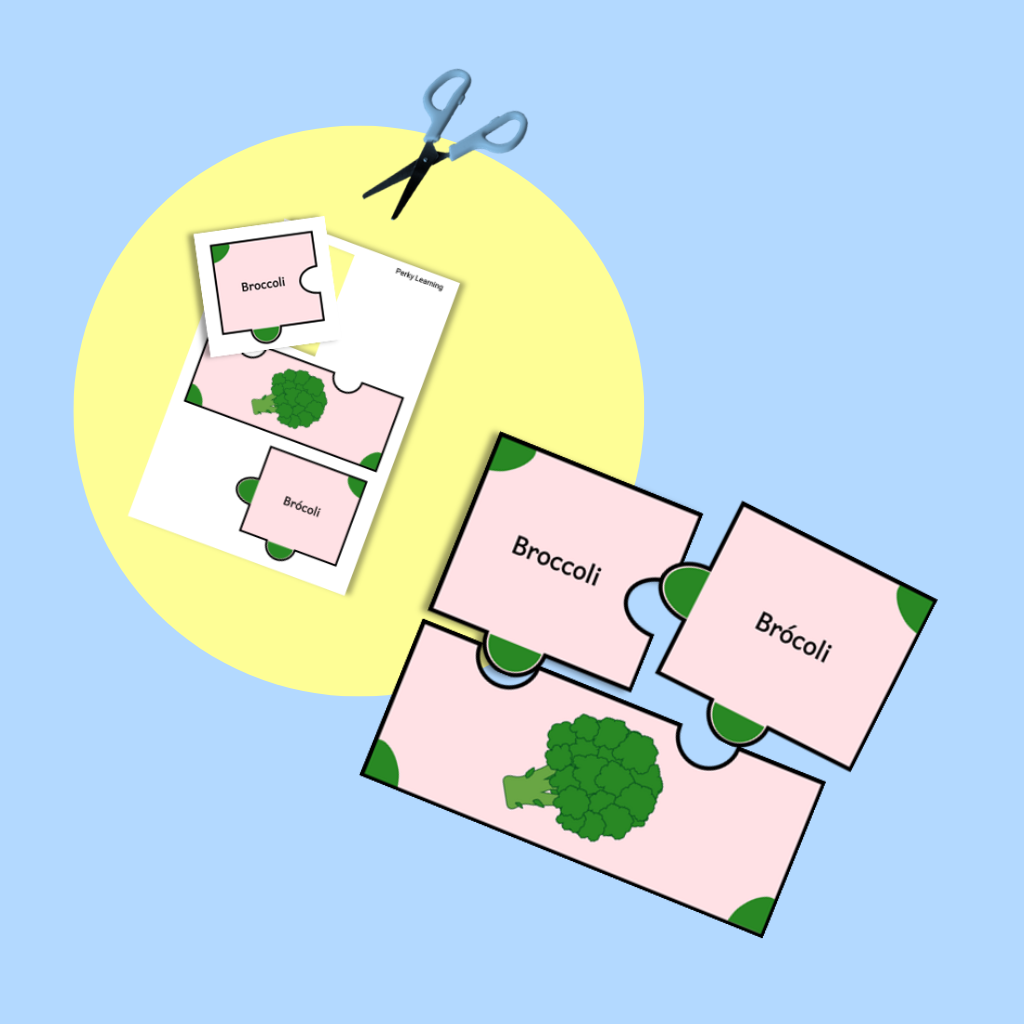
Simple activities like matching pictures to Spanish and English words, using bilingual flashcards, or practicing vocabulary worksheets help children strengthen these cognitive abilities while learning new words in both languages.
Young children who learn English and Spanish at the same time develop a deeper understanding of how language works. They learn to:
Even basic worksheets—like cut-and-paste vocabulary pages, tracing activities, or bilingual spelling practice—help children connect concepts across both languages.
These early experiences help build strong communication skills that last a lifetime.
Language is more than words—it connects children to culture, traditions, and family. When kids learn Spanish and English, they gain a deeper appreciation for the world around them. This is especially meaningful for families and classrooms that include multiple cultures.
Bilingual children often develop strong reading and writing foundations because they are constantly practicing vocabulary, grammar patterns, and language structure in two languages. The more they interact with both languages through simple, engaging printables, the more confident and skilled they become.
The benefits of bilingual education don’t stop in childhood. Kids who grow up bilingual often:
Bilingualism is a lifelong gift that supports education, career options, and meaningful relationships.
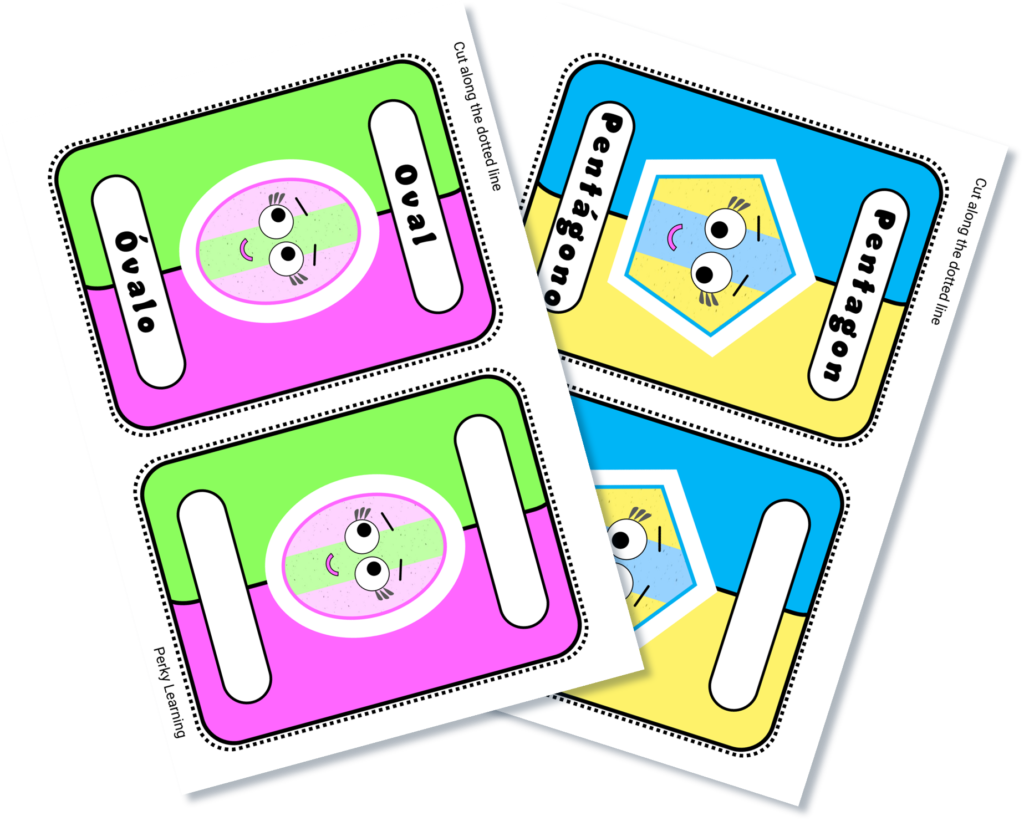
One of the best parts of bilingual education is that it doesn’t have to feel complicated. Young children learn best through repetition, visuals, and hands-on tasks, which makes bilingual printables a perfect tool to support their learning.
Simple activities like:
Help children build a strong foundation in both languages without pressure or frustration.
These resources create natural learning moments—at home, in the classroom, or anywhere in between.
Bilingual education offers children a wonderful advantage in early childhood and beyond. Learning English and Spanish supports brain development, communication skills, cultural awareness, and academic growth. And with the help of simple, engaging printables, young learners can practice both languages in a way that feels fun and approachable.
If you’re raising bilingual kids, teaching in a dual-language classroom, or simply introducing your child to a second language, incorporating bilingual activities into daily routines is a powerful way to support their learning journey.